
The Boys in the Band
The Strolls reveal insight on making music as full-time students, offering advice to other student music artists.
By Ellen Batty | April 27, 2026
HUNTINGTON, Ind. –For The Strolls, it all started with inspiration stemming from two high schoolers engaging in their routinely summer wander.
Scotty Frank, bassist and lead singer of The Strolls, would enjoy “walks like every single day that summer,” with a friend.
“We called it (the summer walks) the strolls,” said Frank. “And we’re like, ‘Wait! That’s like a dope band name!'”
What began as just an idea soon turned into an actual project when members decided to bring the idea to life. Frank reached out to good friends Shaun Ross and Micah Gilliom—who would soon become the rhythm guitarist and drummer.
“I was like, ‘You guys are both amazing musicians and good friends. I would love if you guys play something together.’ And they’re like, ‘Yeah, let’s do it,'” said Frank.
A phrase all dreamers and creatives have heard way too often is “that’s not realistic.”
To the average person, the idea of forming a band, producing original music, and performing live while being a full time student seems near impossible. But the campus-made band, The Strolls defied these odds and have become inspirations for young, aspiring student artists everywhere.
The Strolls first performed live on HU’s own campus. Their debut original song “What a Freak” was soon heard by ears for the first time ever.
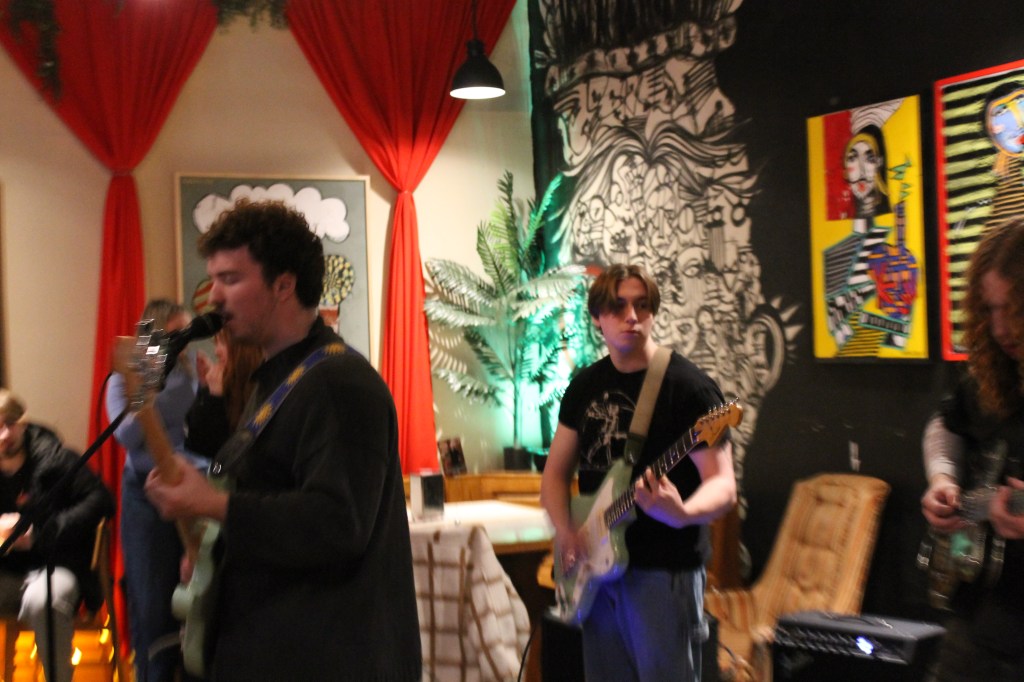
“We played it that show, and we fell in love with it,” Frank recounts. “And it just stuck after that.”
And that was just the beginning. Later, the band would have the opportunity to open for the established, HU alumni band Attaboy.
“It was great production value, great attendance,” said drummer Micah Gilliom. “It was a crazy day because it was also our EP release.”
The Strolls didn’t expect anyone to show up, but ended up with a great turnout.
“We had like 70 people” said Frank.
Their EP “Call the Cops” gave The Strolls a sense of branding and artistic voice. Now, they had enough original music to perform a full concert—which to them, was an experience like no other.
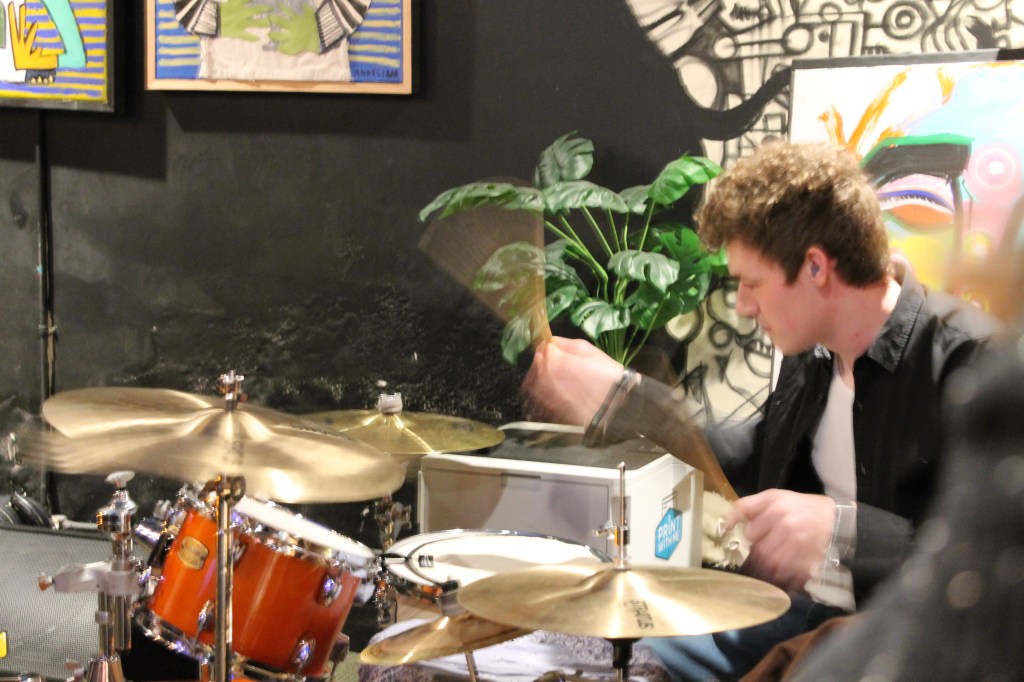
“You kind of get in the zone,” Gilliom saids. “You blink and it’s over, and then you’re like, ‘Oh wow! That just happened!’”
His band member, Frank, agrees.
“The Strolls is a blessing because it really fills my cup,” he states. “When I am in a draining season, The Strolls is something that’s recharging.”
The success of The Strolls has not only been impactful to the members, but also the fans who take more than a catchy tune from their music.
Frank said the most fulfilling part has been the community surrounding the band.
He recalls people have come up to the band after the show saying, “I’ve had a really tough season and like this song specifically made me feel really seen.”
Frank even recalls someone who met their now-friend group during The Strolls’ concert, which made Frank tear up with joy.
The Strolls experience hasn’t always been easy, though, with members having to develop time management, tackle finances, and overcome criticism.
“It’s fun to be in five different things,” Frank recalls. “But, you really have to divvy up your day and you have to take responsibility for your mental health. You have to allow yourself time to recharge.”
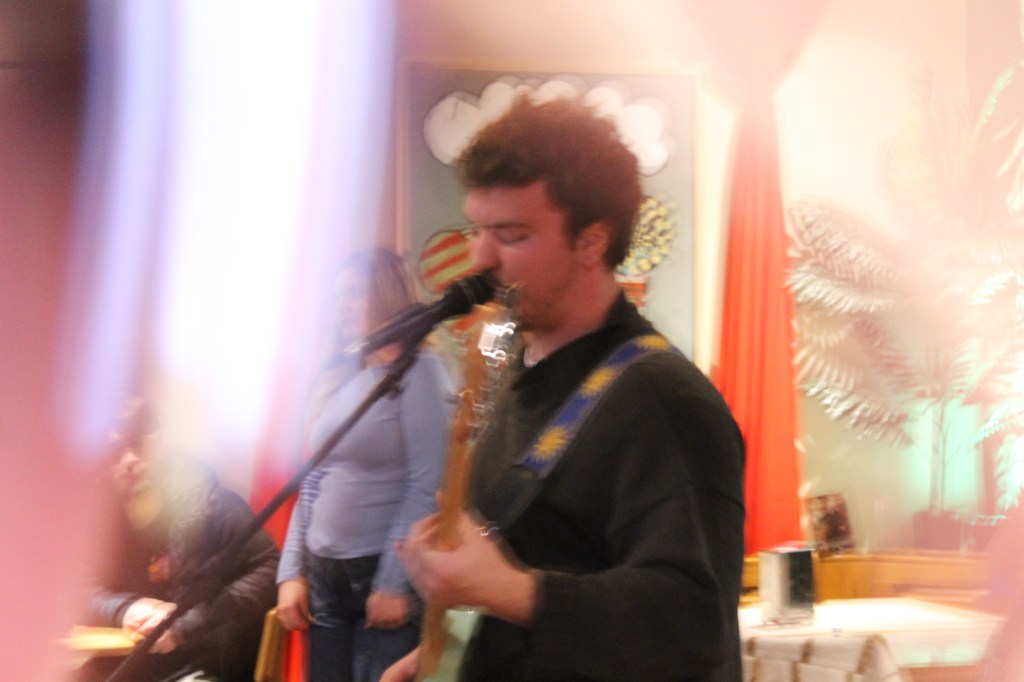
Frank also leverages his academics for succession of The Strolls. Being a major in film, a lot of Frank’s academic assignments involve creating various video projects—allowing Frank to create content for The Strolls as well as keeping on top of his classes.
The Strolls also had to overcome the financial burden of producing music, which was about $1,800 to get the EP mixed and mastered. While this is a lot of money for the average college student, The Strolls were fortunate enough to have financial support from friends, fans, and family.
“We did a GoFundMe and raised about $800,” said Frank.
All profit The Strolls make goes back into the band to support creating more music.
Much like most artists, The Strolls also face harsh criticism on their music, concert presence, and even their character.
“I’d be lying if I said I don’t hear it,” Frank recalls.
Although words can be hurtful, Frank decided to us it to his advantage.
“The criticism has helped us process why we make music,” he said, turning hurtful statements into a clear motivation for why they make music.
The Strolls’ music making process starts out in the practice room, with the band members experimenting with sound
“Usually someone comes up with a guitar riff first, and then we build the song around that,” Gilliom said. “We record rough demos on our phones and send them to our recording engineer to start the process.”
After the demos are created, the band heads over to the recording studio, where Colorado producer Nick Webber record a raw sound of the songs. From there, Webber will mix and master the music until every instrument and voice blends together perfectly, creating the tunes fans know and love.
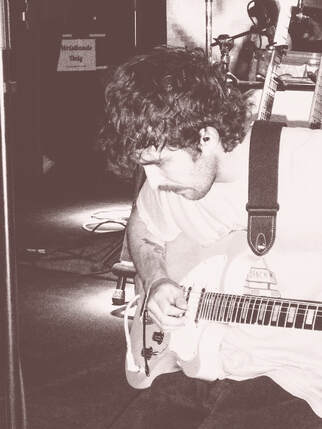
“I start by kind of identifying problems,” Webber recounted in a Zoom interview. “Just stuff that jumps out at me, like the guitars feel kind of spiky or something’s hurting my ears.”
After fixing instrument sounds, Webber adds his own producer touch to enhance the song.
“I spend a lot of time just kind of messing stuff up . . . how can we make this sound a little more broken, a little more exciting,” he said.
After the song is recorded, mixed, and mastered to perfection, it becomes The Strolls’ duty to get word out about the songs and book gigs to perform live.
“Be consistent on social media and just start putting your music out there,” said Gilliom. “Go to local shows, meet people, and offer to open—that’s how you get started.”
Frank agrees with Gilliom in the importance of making connections as an indie band, noting the best way to get into scenes is to show up for other bands and use their connections.
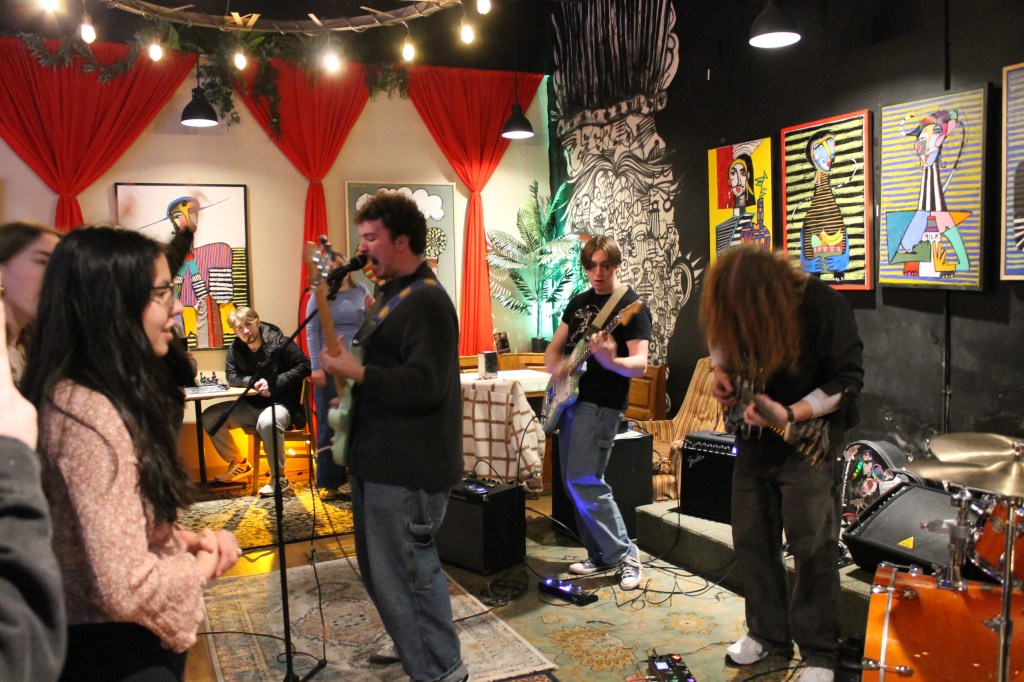
Frank notes that overcoming the fear of getting started was the tipping point that got the stone rolling on The Strolls’ success.
“Stop being scared, just sit down and create a song,” he said. “Even if 10 people show up, just have fun.”
Attaboy recounts their success as a product of passion for music rather than a drive for fame.
“Hold the idea of success very open-handedly,” Attaboy guitarist Jeff Edgel said. “Make sure you’re doing it because you just genuinely love doing this.”
Lead singer Ryan Payne notes that music should be personal, and for a Christian, can act as ministry.

“We write songs that come from our experiences,” Payne notes. “We try to incorporate Christian truths without using church lingo so that anybody can connect with it.”
Pants Clark, another campus-formed band, unfortunately has to disband due to member-life-direction conflicts. But, the rock musicians still plans on giving their love for music one final farewell.
“For Pants Clark, I think Pants Clark is coming to an end,” said bassist Connor Bahney, “but I hope we can do just one more thing and that’s put out an album.”
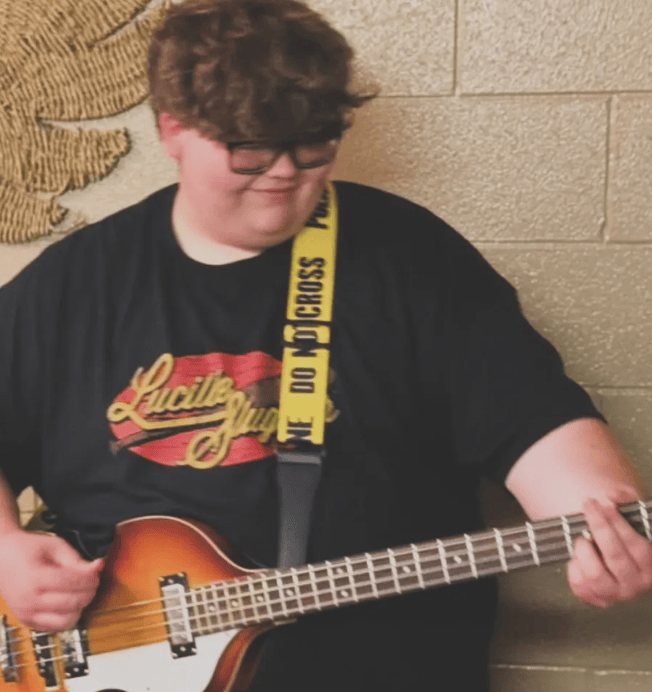
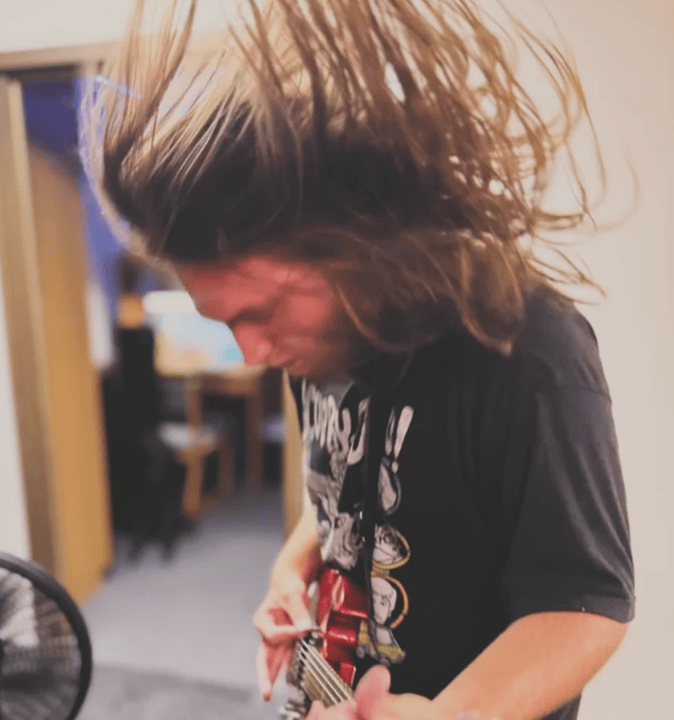
Lead guitarist Peyton Lackey said: “We’re going to record it at the end of that semester and then give Nathan [a fellow band member] the entire summer to produce it.”
Lackey also notes Pants Clark may be passed down to a younger generation of inspired student rock groups—making the band a musical heirloom new artists can each make their own.
As for The Strolls, a shift in lead guitarist offers new musicality for the band.
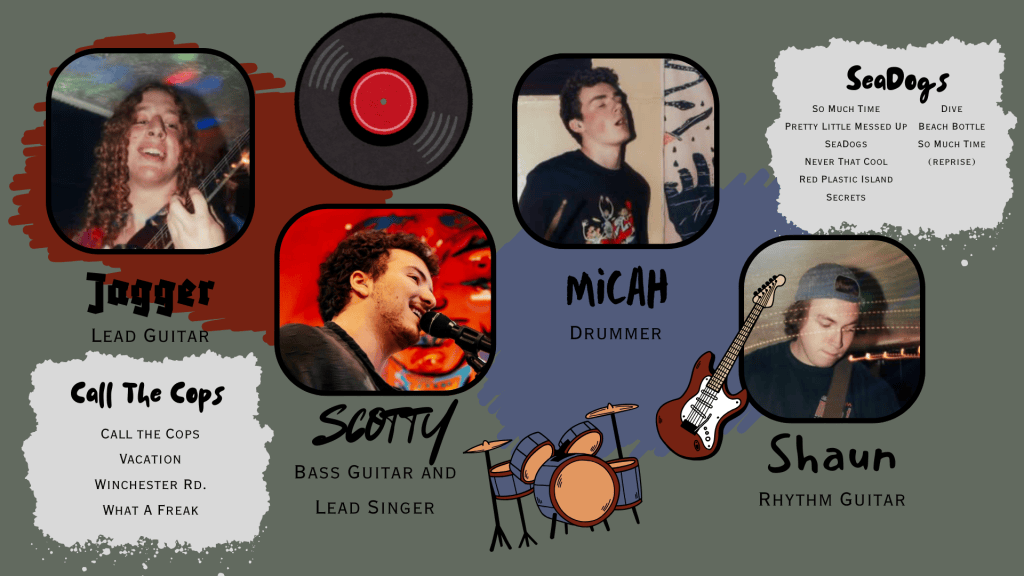
Gilliom notes that former guitarist Joe Finch stepping down was on good terms and a decision Finch made for the betterment of the band. The members remain friends with Finch and welcome their new guitarist: Jagger Van, a friend of Frank in Fort Wayne.
“Jagger brings a bluegrass influence, which adds a new layer to our sound,” Gilliom said.
Although The Strolls’ success could be accredited to talent, connections, and overcoming hurdles, they also hold the most important ingredient for a thriving music career: optimism.
“There are a lot of exciting opportunities coming forward for us” Gilliom said, acting as a reminder for all student artists to have hope and keep moving forward.
 Ellen Batty